

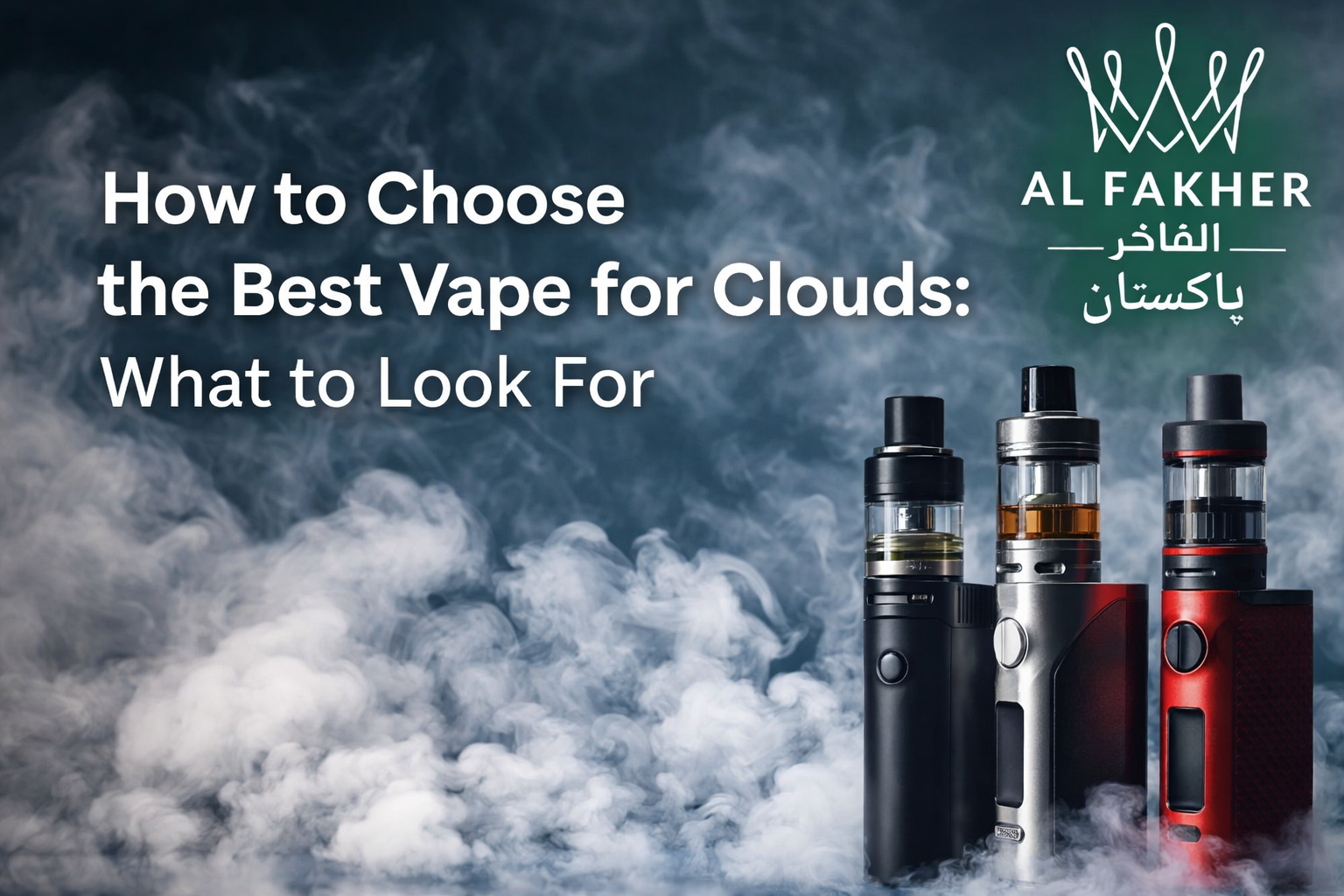
If you've ever watched someone blow a thick, rolling cloud of vapor and thought How do they do that? You're not alone. Chasing clouds isn't just a hobby anymore. For a lot of vapers, it's the whole point. The best vape for clouds isn't just any device you grab off a shelf. It's a specific combination of hardware, settings, and liquid that work together. Get one thing wrong, and your clouds go from impressive to barely-there. This article breaks down exactly what to look for, no guesswork, no wasted money.
Why Cloud Production Matters in Vaping
Cloud production isn't just about looks; it's a direct reflection of how well your setup is performing. Power output, airflow, and coil type all play a role in what comes out of your device. Heavy smoke vape setups aren't complicated once you understand the basics. The right combination of hardware and liquid makes the difference between average vapor and genuinely thick clouds.
Vape Mods: The Engine Behind Big Clouds
Not all vape mods are built the same. Some are designed for quiet, casual draws, others are pure power machines built for vapor output. Regulated mods are the smarter choice for most people. They monitor voltage, prevent overheating, and let you set your exact wattage without guessing. Box mods dominate cloud chasing for good reason. Dual battery slots mean longer sessions, higher wattage, and more consistent performance.
Box Mods vs Tube Mods for Cloud Chasing
Box mods win for cloud chasing every time. Higher wattage ceiling, dual batteries, and better control make them the obvious choice. Tube mods are compact and beginner-friendly, just don't expect them to keep up when you're pushing for serious clouds.
How Much Wattage is Enough for Cloud Chasing?
For real clouds, you need at least 80W. Most serious setups run between 100W and 200W comfortably. Higher wattage means more responsibility, though. Always use high-drain batteries rated for your output and check them regularly.
Hardware Setup for Maximum Vapor Production
Your coil, tank, and airflow all directly affect cloud size. Change just one of these, and you'll notice the difference immediately. Coils with more surface area heat more liquid faster. That simple fact is what separates a cloud setup from a regular one. Tank capacity matters too. High-wattage sessions burn through liquid fast; a 4-5ml tank saves constant refilling.
Sub-Ohm vs. Mesh Coils: Which One is Right for You?
Mesh coils produce denser, more consistent vapor thanks to their wider heating surface. Sub-ohm coils are reliable and proven, mesh just pushes performance further. Resistance between 0.1ohm and 0.5ohm is the sweet spot. Materials like Kanthal, stainless steel, and nickel all behave slightly differently worth experimenting with. Replace coils regularly. A worn coil kills vapor output faster than any other single factor.
Airflow Settings That Make a Difference
Wide open airflow means thicker clouds. More air across the coil creates cooler, denser vapor and a smoother draw. DTL inhales are the technique that makes the difference. Breathing vapor straight into your lungs rather than holding it in your mouth produces visibly more cloud volume.
Choosing the Right Vape Flavours for Cloud Sessions
Your liquid choice matters more than most people think. The VG/PG ratio directly controls how much vapor your setup can produce. High VG liquids are thicker and produce denser clouds. Most cloud chasers use 70VG/30PG, but many go max VG for the biggest possible output. Thick clouds can slightly mute flavor intensity. That's a trade-off most cloud chasers are completely fine with.
VG vs PG: Which Produces Bigger Clouds?
VG is responsible for vapor density full stop. The higher your VG content, the bigger your clouds will be. High PG liquids wick faster but produce far less vapor. For cloud chasing, always prioritize high VG vape flavours.
How Al Fakher Flavours Enhance Your Cloud Experience
Fruity and menthol profiles carry through vapor density better than most other flavor types. They don't get lost in thick clouds the way some sweeter profiles do. At AL Fakher, our flavors were built for shisha culture first, but double apple and mint translate naturally into vape liquids for cloud sessions. Familiar taste, modern format.
Disposable Vapes: Are They Worth It for Cloud Chasers?
Honest answer: disposables aren't built for serious cloud chasing. Lower wattage and fixed coils put a hard ceiling on what they can produce. That said, some modern disposables perform better than expected. Mesh coil versions with DTL airflow close the gap more than older disposable designs ever did. Long term, buying disposables regularly costs more than a proper mod setup. If you're going through multiple a week, that's your sign to switch.
What to Look for in a Cloud-Friendly Disposable
If you're sticking with disposables, three things matter most: mesh coils, DTL airflow, and a higher puff count that signals a decent battery inside.
-
Mesh coil disposables outperform standard coils noticeably
-
DTL airflow is non-negotiable for vapor volume
-
Higher puff count means bigger battery, better consistency
-
Avoid ultra-slim designs, they rarely have enough battery for real clouds
Complete Vape Accessories You Need for Cloud Chasing
The right accessories make a real difference. Extra batteries, quality drip tips, and proper wicking all contribute to consistent heavy vapor. Extra batteries are non-negotiable. High-wattage sessions drain power fast, and running a depleted battery in a powerful mod is a genuine safety risk.
Wide bore drip tips allow more airflow and cooler vapor, both helpful for heavy smoke vape sessions. Narrow tips work against cloud production. Good cotton wicking prevents dry hits and keeps vapor output consistent. Japanese organic cotton is widely considered the best option for cloud setups. At AL Fakher, we treat vape accessories as part of the investment, not an afterthought. Your setup is only as good as its weakest component.
Frequently Asked Questions
Q1) What is the best vape for clouds as a beginner?
Start with a regulated box mod between 80W and 150W paired with a sub-ohm tank. It gives you enough power for real clouds without being overwhelming. Build your knowledge around safety and settings before pushing wattage higher.
Q2) Do disposable vapes produce good clouds?
Some modern disposables do produce decent vapor, but nothing close to a proper mod setup. Mesh coil disposables with DTL airflow are your best option if you're staying with disposables. For serious cloud output, though, a full mod setup is the only real answer.
Q3) What VG/PG ratio should I use for cloud chasing?
70VG/30PG is the minimum starting point for cloud chasers. Max VG takes vapor production even further if your coil and tank can handle the thickness. High VG vape flavours are noticeably thicker and produce significantly more vapor than balanced ratios.
Q4) Are vape mods safe for cloud chasing?
Regulated vape mods are safe when used correctly and responsibly. Always use high-drain batteries rated for your wattage output and inspect them regularly for wear or damage. Never push your mod beyond its rated limits. The hardware is only as safe as the person using it.
Q5) What vape accessories do I actually need for clouds?
The four essentials are extra batteries, a wide-bore drip tip, quality cotton wicking, and a reliable battery charger. Each one directly affects how consistently your setup performs during long cloud sessions. Skip any of these, and you'll feel the difference quickly.
Q6) Does airflow really make that much difference to cloud size?
Yes, genuinely more than most beginners expect. Fully open airflow versus restricted airflow produces a visible, immediate difference in cloud volume. It's also one of the easiest and cheapest adjustments you can make without changing any hardware.
Q7) What is the difference between DTL and MTL vaping?
DTL means breathing vapor directly into your lungs in one smooth motion. It's the standard technique for cloud chasing. MTL means holding vapor in your mouth first before inhaling, which is closer to how cigarettes are smoked. For clouds, DTL is the only approach worth using.
Q8) How often should I replace my coils for the best cloud production?
Most cloud chasers replace coils every five to seven days, depending on usage and wattage. Running high-wattage burns through coils faster than casual vaping does. A coil that's past its prime produces noticeably less vapor and a burnt taste that's hard to miss.
Q9) Can I use any e-liquid for cloud chasing, or does it have to be specific?
Not every e-liquid works well for cloud chasing. You need high VG liquid, ideally 70VG/30PG or higher, to produce real vapor density. Thin, high-PG liquids simply don't have the viscosity needed to produce thick, satisfying clouds, regardless of your hardware.
Q10) Is cloud chasing expensive to get into?
It doesn't have to be. A decent mid-range box mod and a good sub-ohm tank can be picked up for a reasonable budget without sacrificing real performance. The ongoing costs of coils, liquid, and batteries are manageable once you find a setup that works. Starting simple and upgrading gradually is always the smarter approach.
Final Thoughts: Is Cloud Vaping Right for You?
Cloud chasing isn't for everyone, and that's completely fine. But if thick, satisfying vapor is what you're after, the path there is clearer than it looks. The right mod, the right coil, high VG liquid, and open airflow work together to give you the best vape for clouds experience without overcomplicating things.
Start simple. A mid-range box mod with a mesh coil tank gets you 80% of the way there. Dial in your airflow, choose your liquid wisely, and the results speak for themselves. Now that you know exactly what goes into a proper cloud setup ready to find the right gear and put it to use? The difference between reading about clouds and actually producing them is just a few good decisions away.
Share:
Essential Vape Accessories to Upgrade Your Vaping Setup
Top 5 Shisha Online Shops in Pakistan for Quality Products